Friday, August 15, 2025

How Wind Turbines Quietly Power Our Future


How Wind Turbines Quietly Power Our Future

When people think of wind power, they often imagine huge blades spinning on tall towers in open fields. But modern wind turbines have come a long way. They are not just producing clean energy, they are doing it in a quieter, smarter, and more efficient way than ever before. Today, these machines are helping us move toward a future that is both sustainable and peaceful.


The Power of the Breeze

Wind turbines work by capturing the kinetic energy of moving air and turning it into electricity. Inside the turbine, a generator converts this mechanical movement into usable power. The process might sound simple, but it involves precise engineering and careful design to maximize efficiency.

A single 1 mw windmill can generate enough energy to power hundreds of homes for an entire year. Imagine the impact if thousands of these turbines were spread across a country. The results could dramatically reduce dependence on fossil fuels and cut harmful emissions.

Small Yet Powerful Options

While large turbines often make the headlines, smaller models are just as important. For example, a 5kw wind turbine can be installed on farms, small businesses, or even residential properties in windy regions. These smaller units provide energy independence and can help reduce electricity bills. They also serve as a backup during power outages, making them practical as well as eco-friendly.

Wind Farms: Energy Communities

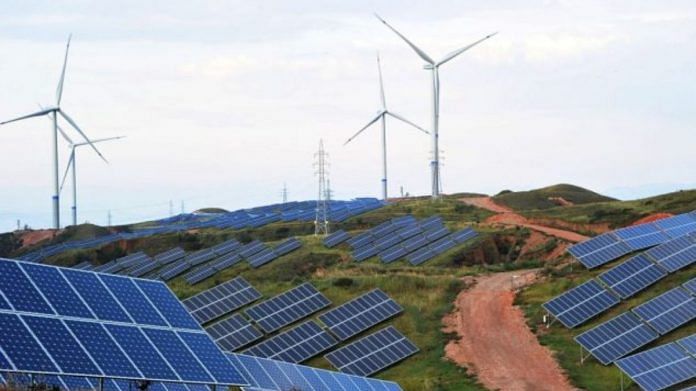
A windmill farm is a group of turbines working together in one location. By connecting multiple turbines, these farms can generate massive amounts of electricity and feed it directly into the power grid. They are usually built in areas with consistent, strong winds—such as coastal regions, hilltops, or open plains.

Wind farms have an interesting community benefit as well. They often lease land from farmers or property owners, providing them with an additional source of income. The land can still be used for farming or grazing, so the turbines rarely disrupt existing land use.

Interesting Fact: Some modern wind farms are offshore, standing miles away from land in the open sea. Offshore winds are stronger and more consistent, which means turbines can generate more power without disturbing residential areas.

The Quiet Revolution

One common concern about wind turbines in the past was noise. Older models had loud mechanical sounds and blade vibrations. However, technology has improved significantly. Modern designs use advanced blade shapes, quieter gear systems, and better insulation to reduce sound levels. In fact, when you stand just a short distance away, the sound of the wind itself is often louder than the turbine.

This quiet operation is important not only for residential acceptance but also for wildlife. Quieter turbines help reduce disturbance to birds and animals living nearby, making them more environmentally friendly.

Environmental Advantages

Wind energy is renewable, which means it will never run out as long as the wind keeps blowing. Unlike coal or gas plants, wind turbines produce no air pollution or greenhouse gases while generating electricity. They also use very little water, unlike many traditional power plants that require large amounts for cooling.

Furthermore, the materials used to build turbines can often be recycled. Research is ongoing into making blades and other parts even more recyclable, ensuring that the environmental impact remains low throughout the turbine’s life cycle.

Challenges and Innovations

Of course, wind power is not without its challenges. The main issue is that wind is not constant; some days are calm and produce little energy. This is why many countries are investing in energy storage solutions like large batteries or integrating wind power with other renewable sources such as solar.

New innovations are also pushing the boundaries of what turbines can do. Floating offshore turbines are being developed for deep-water locations where traditional foundations are not possible. Engineers are also experimenting with vertical-axis turbines, which can work efficiently in turbulent wind conditions, such as in cities.

Economic Impact

The wind industry creates thousands of jobs worldwide. These range from manufacturing and transporting turbine components to maintaining and operating wind farms. Communities hosting wind projects often benefit from improved infrastructure and new economic opportunities.

The cost of producing electricity from wind has dropped significantly over the last decade. In many regions, it is now one of the cheapest sources of new power, even without government subsidies. This makes it a financially attractive option for both investors and governments.

Looking Ahead

As the world searches for cleaner energy solutions, wind power stands out as one of the most promising. The technology continues to improve, costs are falling, and public acceptance is growing. In the near future, we can expect to see more turbines both on land and offshore, silently contributing to a greener planet.

If current trends continue, wind power could supply a significant portion of the world’s electricity needs within the next two decades. This would not only reduce pollution but also help stabilize energy prices and improve energy security.

Conclusion

Wind turbines are no longer just mechanical giants in the countryside. They are part of a quiet revolution that is reshaping how we think about power. From large-scale farms to small home systems, they provide a clean, renewable, and increasingly affordable source of energy. By embracing this technology, we can enjoy a future where our lights, devices, and industries run on the gentle force of the wind.

Spinning Secrets: Inside the Modern Windmill


Spinning Secrets: Inside the Modern Windmill

When you think of a windmill, you might imagine the old wooden structures from storybooks. But today’s windmills are sleek, tall, and built with advanced technology. They stand as silent giants, turning wind into a powerful source of electricity. Modern windmills are more than just machines; they are the backbone of the renewable energy movement, quietly producing clean power without smoke, noise, or harmful gases.


How Modern Windmills Work

At the heart of a windmill is its rotor, which captures wind energy through its blades. As the wind blows, the blades spin, converting kinetic energy into mechanical energy. This mechanical power then drives a generator, producing electricity.


The height of the tower and the length of the blades directly affect how much power the windmill can produce. Taller towers catch stronger winds, while longer blades capture more wind energy. Every detail in design matters, from blade angle to tower placement.


Sizes and Capacities

Windmills come in different sizes depending on their purpose. Small-scale turbines can power a home or a small business, while larger ones can supply entire communities.

For example, a 5kw wind turbine can be used for small farms, remote houses, or backup energy systems. On the other end of the scale, a 1 mw windmill can power hundreds of homes and is commonly installed in large-scale projects. These big turbines are usually part of a bigger network, often located in open, windy areas.


The Power of Windmill Farms

A windmill farm is a group of wind turbines working together to generate electricity. These farms can cover large areas, from coastal plains to hilltops. Their combined output can feed electricity into national grids, making them vital for reducing reliance on fossil fuels.

Unlike coal or oil plants, windmill farms do not need fuel deliveries. Once set up, they only require maintenance, making them more sustainable in the long run.


The Economics of Modern Wind Energy

Building a windmill is an investment, but it is one that pays back over time. The cost depends on the size of the turbine, location, and infrastructure needs.

In India, setting up a 1 MW project may seem costly at first, but the return on investment can be significant due to savings on fuel, low operational costs, and government incentives. Similarly, smaller turbines have a lower entry cost, making them accessible for individuals and small businesses.


Interesting Fact:
The tallest wind turbine in the world stands over 260 meters tall — that is taller than a 70-story building — and its blades sweep an area larger than a football field.


Environmental Impact

Windmills have a low carbon footprint. They do not release greenhouse gases, and they use very little water compared to traditional power plants. The main environmental considerations involve land use and the visual impact on landscapes, but many modern projects are designed to blend with their surroundings.


Technology Behind the Scenes

Modern windmills are not just about blades spinning in the wind. Sensors and software constantly monitor wind speed, direction, and power output. Some even have systems that turn the blades toward the wind for maximum efficiency. Maintenance teams use drones to inspect blades and towers, reducing downtime and ensuring safety.


Global Perspective

Countries around the world are racing to build more wind capacity. In the USA and Europe, large offshore farms are becoming common, taking advantage of strong sea winds. In India, onshore farms continue to grow, with state and private projects boosting renewable energy targets.


Challenges and the Future

Wind energy is not without challenges. Wind patterns are not constant, so backup energy systems are sometimes needed. Land acquisition, initial costs, and grid connectivity can also slow down projects. However, with ongoing technological improvements, these challenges are being addressed.

Future designs may see even taller towers, lighter yet stronger blades, and more efficient energy storage systems.


Final Thoughts

The modern windmill is a marvel of engineering and sustainability. From small-scale rural projects to massive farms powering cities, windmills represent the shift toward cleaner, greener energy. They are proof that technology and nature can work together to meet the growing energy demands of our world.

Every time you see a windmill’s blades turning, remember that it is quietly working to reduce pollution, cut costs, and make the planet a little cleaner for the generations to come.

Thursday, August 14, 2025

Cozy Balcony Makeover with Solar Lights


How Solar Post Lights Can Transform a Tiny Balcony into a Cozy Retreat

A tiny balcony often feels like wasted space, especially if it is dull or unused after sunset. But with the right lighting, even the smallest balcony can become your favorite evening spot. Solar post lights are one of the easiest, most affordable ways to create that inviting glow without dealing with wiring or high electricity bills.


The beauty of solar lights is that they combine function with style, giving you a well-lit area that also feels personal and welcoming. Whether you want to enjoy a cup of tea under the stars or create a little reading nook, lighting plays the biggest role in setting the mood.


Why Solar Lighting Works for Small Balconies

Balconies often lack access to electrical outlets, making traditional lighting tricky. Solar post lights solve this problem by running entirely on sunlight. During the day, they charge quietly, and when the evening comes, they light up automatically. Their soft glow makes the balcony look warm while being gentle on the eyes.

They also take up minimal space, meaning you won’t clutter your balcony floor or walls. The posts can be fixed to railings, corners, or small planters, leaving you with more room for seating and plants.


Highlighting the Balcony’s Best Features

Lighting can help you showcase your balcony’s most attractive elements. If you have potted plants, a small table, or decorative railing, placing lights nearby draws attention to these details. For example, Solar Post Cap Lights placed on railing posts can cast a gentle downward glow, creating a pleasant outline of the balcony. This not only looks beautiful but also makes the space safer to navigate at night.


Creating Privacy with Light

A small balcony can sometimes feel too exposed, especially in apartments where neighbors are close by. Lighting can help you create a sense of privacy. By positioning lights to highlight plants or screens, you naturally block direct lines of sight without building bulky barriers. The soft, warm illumination makes the balcony feel enclosed and personal without making it dark.


The Magic of Layered Lighting

Layered lighting isn’t just for indoor rooms. Combining different light sources can make a small balcony feel more spacious and dynamic. Use solar post lights as your main light source and add fairy lights or lanterns for depth. This layered approach keeps the space cozy without overpowering it with brightness.


Interesting Fact: Studies on small outdoor spaces show that warm, low-level lighting encourages relaxation and reduces stress levels. That’s why soft solar lighting can turn an ordinary balcony into a calming retreat after a busy day.


Making the Most of Limited Space

When decorating a tiny balcony, every item needs to serve a purpose. Solar lights meet both decorative and practical needs. For instance, Solar Post Fence Lights can be attached along balcony rails, saving floor space and keeping walkways clear. These lights also prevent tripping hazards, especially if you keep plants or furniture near the edges.


Design Tips for a Cozy Balcony Retreat

  • Choose warm white light for a calming atmosphere.

  • Place lights at eye level for a more comfortable glow.

  • Combine lighting with greenery so plants are softly highlighted.

  • Add comfortable seating like a small bench or foldable chair.

  • Include personal touches like a small rug, cushions, or candles for a layered effect.

By blending soft lighting with comfortable furniture and a few personal items, you can turn even the smallest balcony into a place where you actually want to spend time.


Low Maintenance and Cost-Effective

Solar post lights require very little upkeep. All they need is occasional cleaning of the solar panels to keep them charging efficiently. Since they don’t add to your electricity bill, they are an affordable long-term investment. They’re also easy to move around if you decide to change your balcony layout.


Enjoying Your Balcony Year-Round

With solar lighting, your balcony becomes a usable space no matter the season. In summer, it’s perfect for evening relaxation. In cooler months, it can be a cozy nook for reading with a blanket. The lights make it safe and welcoming throughout the year, extending the usefulness of your outdoor area.


Final Thoughts

You don’t need a large garden or backyard to enjoy the charm of outdoor lighting. Even a tiny balcony can become a private retreat with the right setup. Solar post lights are budget-friendly, space-saving, and stylish. They highlight your balcony’s features, create privacy, and offer a gentle glow that makes evenings feel special.

With just a few well-placed lights, you can completely change how you use and enjoy your balcony space — turning it into your personal spot to relax, unwind, and soak in the night.

Bright Ideas: Where to Install Solar Post Lights?

Beyond the Driveway: Surprising Places to Install Solar Post Lights


When most people think about solar post lights, the first image that comes to mind is a neat driveway lined with glowing posts. While that’s a classic and functional choice, these versatile lighting solutions have far more potential. They can enhance the charm, safety, and personality of almost any outdoor space — all without the need for wiring or electricity bills. In this guide, we explore unexpected yet brilliant places to use them and how each setting can benefit from their warm glow.


Garden Pathways That Invite You In

A garden is more than plants; it’s an experience. By adding solar post lights along winding garden paths, you create a magical walkway for evening strolls. Not only do they highlight the path to prevent trips and falls, but they also bring out the textures of flowers, shrubs, and decorative stones. For smaller gardens, even a few well-placed lights can transform a plain yard into a serene retreat.


Deck and Patio Perimeters

Your deck or patio is often the heart of your home’s outdoor life. By placing Solar Post Cap Lights on the corners or railing posts, you get a soft glow that frames the space beautifully. This subtle light is perfect for evening gatherings, romantic dinners, or even a quiet solo coffee under the stars. The advantage here is that cap lights blend into the structure by day but make a big impact after sunset.


Fencing for Beauty and Safety

Fences are functional boundaries, but they can also serve as a decorative element at night. Installing Solar Post Fence Lights on fence posts adds both charm and a layer of security to your property. The light helps define your boundary lines and deters unwanted visitors while making the entire yard look more inviting.


Mailbox and Entrance Gates

Your mailbox might not be the first place you think of when adding lighting, but imagine how much easier it is to find and access after dark with a small post light nearby. Entrance gates, especially those set back from the house, benefit greatly from solar lights to guide visitors and delivery drivers. These lights make your home stand out in the best way possible.


Around Water Features

Water features like fountains, ponds, or birdbaths are beautiful during the day, but their magic can fade after sunset without the right lighting. By installing solar post lights near these spots, you reflect light off the water’s surface, creating a shimmering effect that can be breathtaking. Choose waterproof models for extra durability.


Gazebos and Pergolas

Outdoor structures such as gazebos and pergolas are natural gathering spots. Adding solar post lights along their edges or at the top of support posts enhances both safety and style. Soft lighting in these spaces allows for evening relaxation without harsh glare. It’s especially appealing for summer parties or winter nights when you want to enjoy the crisp air without total darkness.


Poolside Boundaries

A pool area needs careful lighting for safety, but it also deserves ambiance. Solar post lights around the perimeter help people navigate the space after dark and prevent accidents. Their glow adds a resort-like feel, making night swims even more inviting.


Pathways to Outbuildings

If you have a shed, greenhouse, or detached garage, the walk to it at night can be tricky. Lighting the pathway with solar posts ensures you can safely get there and back without fumbling in the dark. It also makes the area look cared for and secure.


Campsites and Outdoor Retreats

For those with larger properties or private camping spots, portable solar post lights are a game-changer. They can be installed temporarily to light up areas where guests gather, dine, or play games. When not in use, they can be moved elsewhere — no wiring means complete flexibility.


Public and Community Spaces

In neighborhoods with shared parks, playgrounds, or walking trails, solar post lights offer an eco-friendly way to improve visibility and security without increasing community electricity costs. Their self-sustaining nature makes them ideal for large-scale outdoor areas.


Tips for Choosing the Right Solar Post Lights

When selecting solar post lights for these unique spots, keep the following in mind:

  • Brightness Level: Check lumens for the right intensity.

  • Weather Resistance: Ensure lights are rated for outdoor use and can withstand local weather.

  • Design Compatibility: Choose styles that match your home’s architecture or garden theme.

  • Battery Quality: Higher-quality rechargeable batteries ensure longer runtimes.


Maintenance for Long-Lasting Glow

While solar lights are low-maintenance, a few quick checks will keep them working optimally:

  • Clean the solar panel regularly to prevent dust buildup.

  • Replace rechargeable batteries every 1–2 years.

  • Remove debris like leaves or snow from around the base.


The Big Picture

Solar post lights are no longer just functional driveway markers — they’re a design element that blends sustainability, safety, and beauty. From garden paths to gazebos, from fences to fountains, the possibilities are endless. By thinking creatively, you can light up your outdoor spaces in ways that surprise and delight.

Sunday, May 18, 2025

India’s Wind Power Revolution: Can the Nation Hit 140 GW by 2030?


India’s Renewable Energy Journey

India stands at an exciting crossroads in its energy story. The country is moving away from fossil fuels and embracing renewable sources, with wind energy playing a starring role. As we look ahead to 2030, the wind energy sector in India is expected to see remarkable growth, making the nation a global leader in clean power.


India’s Wind Power Revolution
India’s Wind Power Revolution By 2023


Why Wind Energy Matters for India


With a coastline stretching over 7,600 kilometers and vast open land, India has a huge natural advantage for harnessing wind power. The government has set ambitious targets, aiming for 500 gigawatts (GW) of renewable energy by 2030, with wind energy contributing a significant share. This focus is not just about cleaner air-it’s about energy security, job creation, and supporting the country’s booming economy.

Projected Growth by 2030: Ambition Meets Opportunity

India’s wind energy capacity has already crossed 40 GW, making it the fourth largest in the world. By 2030, the target is even more impressive: the government wants wind power to reach 140 GW, including 30 GW from offshore wind farms. This means the sector will more than triple in size within the next few years.

What’s driving this growth?

  • Strong government policies and support

  • Rising demand for clean energy from industries

  • Technological improvements making wind power more affordable

  • Increased investment from both Indian and international companies

The Role of Turbine Manufacturing Companies in India

A key reason for India’s wind energy success is its strong base of turbine manufacturing companies in India. Local giants like Suzlon Energy Limited and Inox Wind Limited, along with international players such as Vestas and Enercon, have set up world-class manufacturing facilities. These companies not only supply turbines for Indian projects but are also exporting to other countries, boosting India’s reputation as a global manufacturing hub.

Popular Wind Turbine Manufacturers in India

  • Suzlon Energy Limited (Headquartered in Pune, a leader in both domestic and global markets)

  • Inox Wind Limited (Known for end-to-end solutions and strong local presence)

  • Vestas India (A global name with advanced technology)

  • Tata Power Company (Diversified energy giant with a focus on wind)

  • Enercon India (German innovation adapted for Indian conditions)

These companies are constantly investing in research and development to make turbines more efficient and affordable for Indian conditions.

Wind Energy and the Indian Economy

Wind energy is not just about electricity. It’s about creating jobs, building new industries, and supporting rural communities. Thousands of people are employed in manufacturing, installation, and maintenance of wind turbines. Local communities benefit from improved infrastructure and social programs funded by wind projects.

The Price Factor: 1kw Wind Turbine Price in India

For many, the question is: how much does it cost to get started with wind energy? The 1kw wind turbine price in India varies depending on technology and location, but prices have been dropping steadily. This makes small-scale wind projects more accessible for businesses and even some households, especially in windy regions.

Offshore Wind: The Next Big Leap

Most of India’s wind power currently comes from onshore farms, but offshore wind is set to become a game-changer. States like Gujarat and Tamil Nadu have excellent potential for offshore wind farms, and the government has set a target of 30 GW from offshore sources by 2030. Offshore projects are more complex and expensive, but they offer higher and more consistent wind speeds, promising greater energy returns.

Challenges on the Horizon

Despite the positive outlook, there are challenges to overcome:

  • Upgrading transmission infrastructure to handle more renewable energy

  • Streamlining land acquisition and environmental clearances

  • Ensuring steady policy support and investment flow

  • Training a skilled workforce for new technologies

India’s current annual wind installation rate is below what’s needed to meet the 2030 targets, so accelerating project execution will be crucial.

Interesting Fact

Did you know? India’s wind energy potential is estimated at nearly 700 GW if turbines are installed at a height of 120 meters. That’s enough to power the entire country multiple times over if fully harnessed.

The Global Perspective

India’s wind energy growth is not happening in isolation. As countries around the world race to cut carbon emissions, India’s progress is being closely watched. The country’s experience in scaling up wind power, developing local manufacturing, and balancing policy with business needs offers valuable lessons for others.

Looking Ahead: What Can We Expect by 2030?

By 2030, India’s wind energy sector could look very different:

  • Wind farms, both onshore and offshore, will dot the landscape from Gujarat to Tamil Nadu.

  • Local manufacturers will export turbines and technology worldwide.

  • Wind energy will power factories, homes, and even help drive electric vehicles.

  • The sector will be a major source of jobs and innovation.

India’s journey to 2030 will not be without its bumps, but the direction is clear. With continued investment, policy support, and technological innovation, wind energy will play a central role in India’s clean energy future.


In Summary:

India’s wind energy sector is set for rapid expansion by 2030, backed by strong government targets, a robust manufacturing base, and growing demand for clean power. While challenges remain, the potential is enormous, making wind energy a key pillar of India’s renewable energy future.

Meet the World’s Tallest Windmill

When people think about wind energy, they often picture small machines like a 1 mw windmill standing tall in open fields. But today, wind t...